
How Auction Cataloging Works for Estates, Collections, and Personal Property
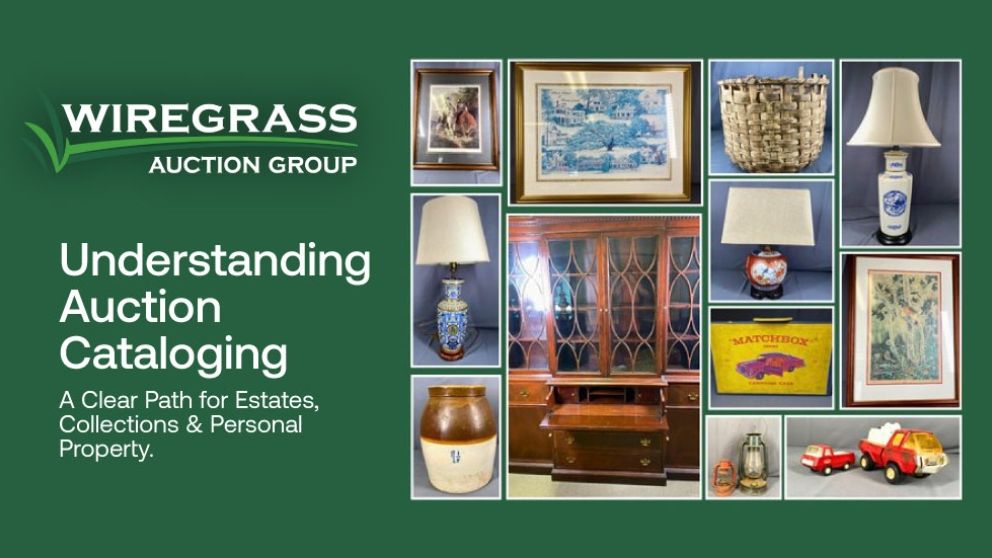
There’s quiet work behind every auction. Long before bidding opens, cataloging lays the groundwork for everything that follows. It’s one of the least visible steps in the auction process, yet one of the most influential.
Proper cataloging plays a critical role in estate auctions, personal property sales, and large collections by creating a shared reference point for buyers, sellers, and auctioneers alike. Without it, even the strongest marketing or most active bidder pool can fall short.
What Auction Cataloging Involves
At its core, cataloging is about clearly documenting what is being offered for sale and presenting it in a way that allows buyers to make informed decisions.
This typically includes:
- Accurate identification based on what can be confirmed
- Clear notes on visible condition and observable details
- Professional photography that shows items as they are
- Logical organization within the auction catalog
- Straightforward descriptions that state what’s known and acknowledge what isn’t
Together, these elements form the catalog that bidders rely on to evaluate items remotely, plan bidding strategies, and participate with confidence.
Why Cataloging Makes a Big Impact
Strong cataloging directly affects auction outcomes in ways that aren’t always obvious.
For buyers, it provides the information needed to assess risk, value, and suitability before bidding. Clear descriptions and consistent presentation reduce hesitation and unnecessary guesswork, encouraging broader participation.
For sellers and estates, careful cataloging supports accurate representation of items and minimizes confusion later in the process. It helps prevent disputes, excessive follow-up questions, and misunderstandings that can slow down or complicate a sale.
Effective cataloging also contributes to smoother operations. A well-prepared catalog allows marketing, previews, bidding, and settlement to move forward efficiently, with fewer last-minute issues.
Supporting Fair and Transparent Auctions
When cataloging is handled properly:
- Buyers can bid with confidence using the same shared information
- Items are presented consistently and competitively
- The auction process runs more smoothly from start to finish
This transparency supports fair outcomes by allowing the market to respond to accurate, clearly presented information rather than speculation or confusion.
The Details Matter
Cataloging isn’t flashy, but it’s foundational. It quietly shapes how an auction is perceived and how effectively it performs. When handled with care and professionalism, it reinforces trust in the process and sets clear expectations long before the first bid is placed.
In many ways, the success of an auction is determined well before auction day, and cataloging is where that success begins.
Contact Us Today
If you’re ready to simplify the estate sale process and get the most value from your items, let Wiregrass Auction Group guide you through every step.
We proudly serve families across Florida, Alabama, and Georgia with integrity, professionalism, and results. Call us at (229) 890-2437 or visit wiregrassauctiongroup.com to get started.
Frequently Asked Questions About Auction Cataloging
What is auction cataloging?
Auction cataloging is the process of documenting items before an auction by identifying them, noting condition, organizing listings, and presenting clear descriptions so buyers can make informed bidding decisions.
Why is cataloging important in an auction?
Cataloging helps ensure items are represented accurately and consistently, supporting transparency and fair participation throughout the auction process.
Does cataloging affect auction results?
Yes. Clear cataloging reduces buyer uncertainty, encourages participation, and helps auctions run more smoothly from bidding through settlement.